XR Volumetric
AR Canvas
2020
XR Volumetric (2020)
Insights :
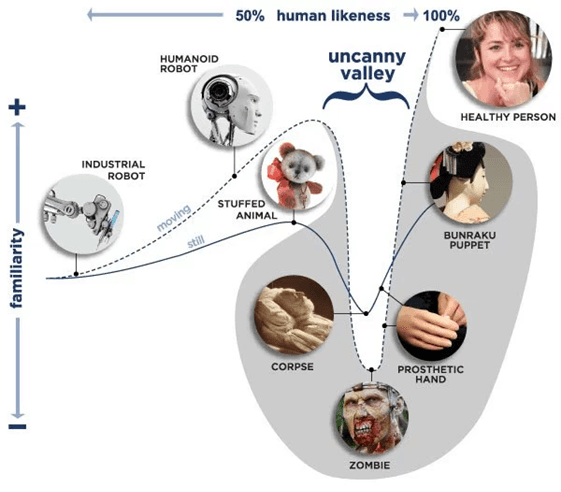
•It is incredibly risky to be in the uncanny valley when it comes to avatar realism. If extreme realism is not possible, it is often better to dial it down to stylistic
•Once an avatar is created, users own them and they can handle with lot of creative opportunities
Learnings :
Uncanny valley, potential ways of using volumetric avatars across platforms and services
UX/UI design for emerging tech
The Brief : After pandemic had set in worldwide, due to social distancing and general decline in person to person interaction, we tried to create a solution where more realistic avatars of oneself can be used to express themselves better during online interactions.
These avatars can also be used for content creation.
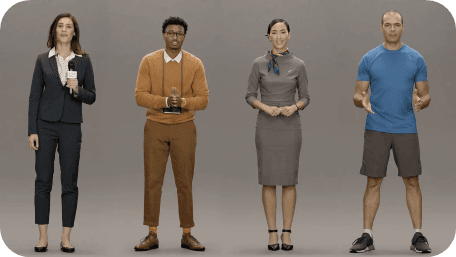
Samsung Neon avatars
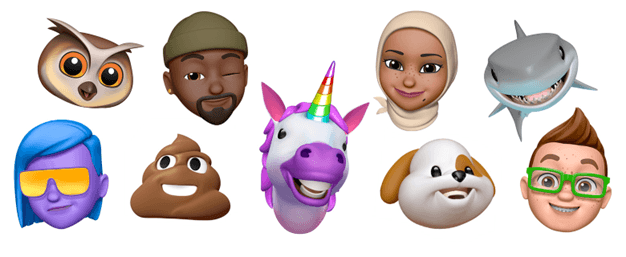
Apple’s memoji – Stylised avatars
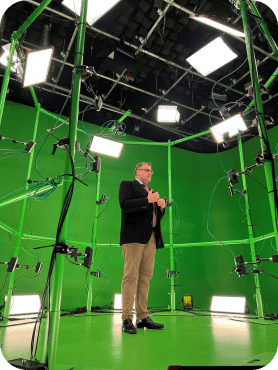
A similar avatar creating volumetric capturing booth was created at Samsung office using Samsung phones
AR Canvas (2020)
Insights :
•Using handheld device to experience AR is a difficult process, tedious learning curve for the user, harder to design a compelling experience
•In AR, users are encouraged to move around in their surroundings safely, to discover an experience
Learnings :
Trend study of market landscape for AR based apps, text in AR, and design of an AR app
Research, Product landscape understanding, animation of assets
AR Canvas is an augmented reality camera app within the Reticle - plain not detected animation Text animation research, Trend study
.JSON file compatibility, optimization discovery
Samsung AR Canvas is an app that lets you decorate your surroundings with augmented reality (AR) content.
Users get features like 3D text, brushes, 2D picture scans, GIF stickers, and gallery photos to create fun and personalized AR scenes.
A decorated space gets anchored there for 30 days, allowing users to revisit and edit it later. It’s a creative way to bring imagination to life in the real world.
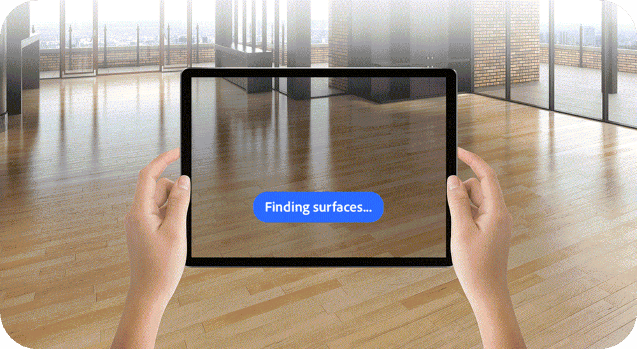
Plane detection animation for an AR app, example